
A Surprise Refund Opportunity? Millions of Taxpayers May Be Owed COVID-Era Penalty Refunds
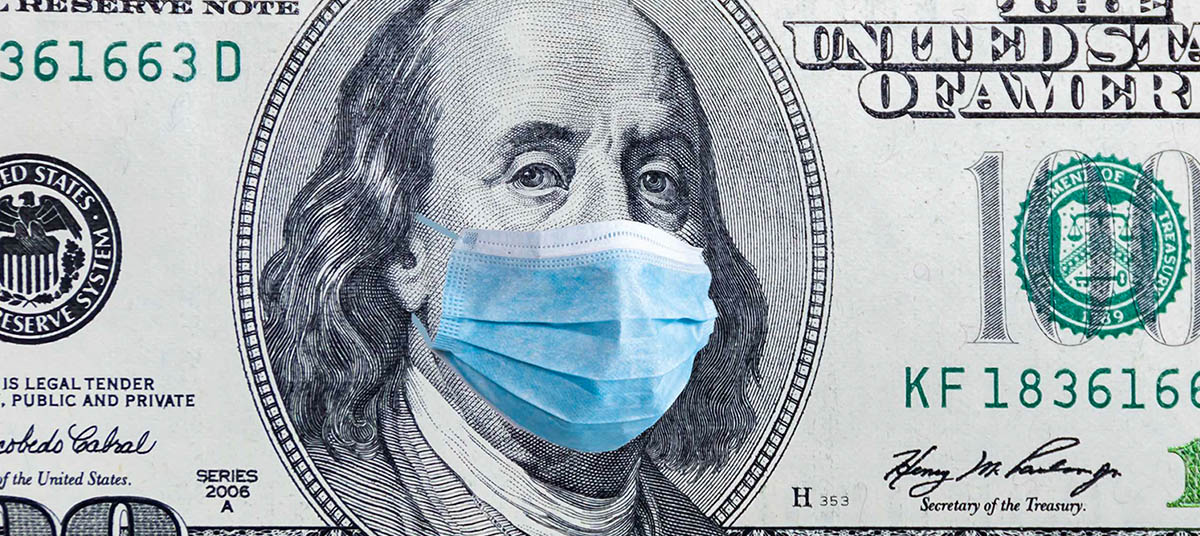
The pandemic disrupted… well, everything.
Business operations. Filing deadlines. IRS processing. Even the way taxpayers interacted with the government changed almost overnight.
Now, years later, a federal court case is reopening a question many assumed was already settled:
Did the IRS improperly assess certain penalties and interest during the COVID era?
And if so…
Could taxpayers actually get that money back?
For millions of individuals and businesses, the answer may be yes.
Why This Matters Right Now
A recent federal court decision interpreted disaster relief rules in a way that could dramatically expand pandemic-related deadline relief for taxpayers.
The ruling centers around a provision in the tax code that automatically postpones certain tax deadlines during federally declared disasters.
Since the federal COVID disaster declaration remained in effect from January 2020 through May 2023, the court concluded that many filing and payment deadlines during that window may have been postponed much longer than previously understood.
The practical impact?
Some penalties for late filing, late payment, and even related interest charges assessed during the pandemic years may not have been legally owed in the first place.
That means taxpayers who paid those amounts could potentially qualify for refunds.
The Clock Is Already Ticking
Here’s the part taxpayers shouldn’t ignore:
For many people, the deadline to preserve refund rights may be July 10, 2026.
That deadline is tied to the statute of limitations for filing refund claims with the IRS.
And this is where things get tricky.
The legal issue is not fully resolved yet. The federal government is expected to challenge the court’s decision through the appeals process.
But waiting for the final outcome could create a problem.
If taxpayers miss the filing deadline while the case works its way through the courts, they could permanently lose the ability to claim a refund later — even if the courts ultimately rule in favor of taxpayers.
That’s why many advisors are encouraging affected taxpayers to consider filing what’s called a “protective refund claim.”
What Is a Protective Refund Claim?
Think of it like reserving your place in line.
A protective refund claim doesn’t guarantee a refund.
Instead, it preserves your right to request one later if the courts ultimately uphold the broader interpretation of the COVID-era deadline relief rules.
Without filing a claim before the statute expires, taxpayers may lose the ability to recover certain penalties and interest altogether.
Who Could Be Affected?
Potentially affected taxpayers may include:
Individuals who filed tax returns late during the pandemic years
Businesses assessed late payment penalties
Taxpayers who entered installment agreements after penalties accrued
Individuals or companies who paid significant IRS interest charges between 2020 and 2023
Taxpayers whose filing or payment deadlines fell during the federal COVID disaster period
This could apply across multiple tax years and multiple return types.
In some situations, the potential refunds may be relatively small.
In others — particularly for businesses or higher-income taxpayers with larger balances due — the amounts could be substantial.
There’s One Big Frustration
Ironically, the process itself may feel a little… outdated.
Current guidance indicates these refund claims generally must be submitted on paper rather than electronically.
That means taxpayers may need to prepare and mail formal documentation to the IRS to preserve their rights.
Not exactly ideal in 2026.
It’s one reason taxpayer advocates are pushing for broader systemic relief rather than requiring millions of individual paper filings.
Why This Could Become a Bigger Story
This issue highlights something many taxpayers learned during the pandemic:
Tax law gets complicated fast when emergency relief measures collide with real-world administration.
The IRS issued wave after wave of temporary guidance during COVID. Filing dates shifted. Payment deadlines changed. Enforcement priorities evolved.
Now the courts are stepping in to clarify whether some of those timelines were applied correctly.
And depending on how the appeals process unfolds, this could become one of the more significant post-pandemic taxpayer relief developments we’ve seen.
What Taxpayers Should Do Now
If you or your business paid IRS penalties or interest connected to filing or payment delays during the COVID years, this is worth reviewing sooner rather than later.
Waiting until the legal outcome is finalized may not be the safest strategy if filing deadlines expire first.
Every taxpayer situation is different, and eligibility may depend on timing, tax years involved, and the specific penalties assessed.
Questions About Whether You May Qualify?
If you believe you may have been affected by COVID-era IRS penalties or interest charges, contact our office.
We can help review your situation, determine whether filing a protective refund claim makes sense, and help you understand the potential opportunities — before important deadlines pass.
We are here to help you succeed!
Contact Coker James to begin your journey.
STAY INFORMED!
Receive the latest in tax and small business updates that affect your finances and growth prospects.
Location
“Archer Lewis” is a brand name under which Archer Lewis, LLC, its subsidiary entities, and Jarrard, Nowell & Russell, LLC provide professional services. Archer Lewis, LLC, its subsidiary entities, and Jarrard, Nowell & Russell, LLC practice in an alternative practice structure in accordance with the AICPA Code of Professional Conduct and applicable laws, regulations and professional standards. Coker James Accountants, LLC is a subsidiary entity of Archer Lewis, LLC. Jarrard, Nowell & Russell, LLC is a licensed independent CPA firm that provides attest services and Archer Lewis, LLC and its subsidiary entities provide bookkeeping, tax and advisory services. Archer Lewis, LLC and its subsidiary entities are not licensed CPA firms. The entities practicing under the “Archer Lewis” brand are each individual firms that are separate legal and independently owned entities and are not responsible or liable for the services and/or products provided by any other entity providing services and/or products under the “Archer Lewis” brand. Our use of the terms “our firm” and “we” and “us” and terms of similar import, denote the alternative practice structure conducted by Jarrard, Nowell & Russell, LLC, and Archer Lewis, LLC and its subsidiary entities.