Blog
We keep you up-to-date on the latest tax changes and news in the industry.
Crossing the State Line: The Chicago Bears’ Potential Move to Indiana and the Impending Tax Battle
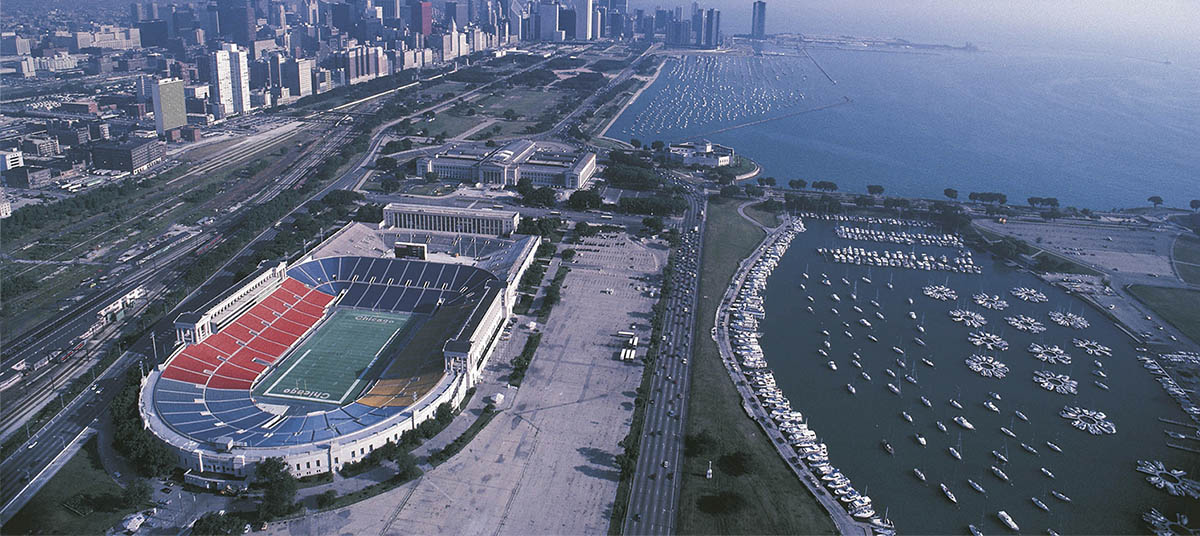
For over a century, the Chicago Bears have been the heartbeat of Illinois sports. Founded in 1920, this franchise isn’t just a team; it is a foundational piece of the city’s cultural identity. For generations, fans have gathered under the Chicago skyline to watch the Midway Monsters. However, that long-standing tradition may soon face a major geographical shift.
As negotiations for a new stadium in Illinois continue to hit roadblocks, the conversation has turned toward a surprising destination: Hammond, Indiana. If this move happens, it represents far more than a shorter commute for some fans. It marks a massive shift in tax jurisdiction, infrastructure responsibility, and the potential commitment of millions in public funds.
At CPA Consulting Services, we often help clients navigate the complexities of multi-state tax filings and business relocations. This isn't just a suburban development squabble; it is a high-stakes interstate fiscal competition. If Indiana dangles the carrot of property tax abatements or public financing to lure the Bears across the border, the ripple effects will be felt directly by local taxpayers through altered tax structures and bond obligations.
The Fiscal Reality: Indiana’s Stadium Bill and Potential Tax Hikes
In the early months of 2026, the Indiana General Assembly’s Legislative Services Agency provided a sobering look at the numbers. They released a fiscal impact statement regarding a stadium financing bill for a proposed facility in Indianapolis. The analysis was clear: residents could face tens of millions of dollars in tax increases over the coming years to handle debt service and infrastructure costs.
The proposed legislation outlines several mechanisms that could impact the local wallet:
ul class="null">The creation of new local option taxes to fund transportation and essential stadium-related infrastructure.
State authorization for increased tax levies or the redirection of existing revenue streams to ensure project viability.
A long-term cumulative tax burden on property owners and small businesses that could reach deep into the tens of millions.
Analysts emphasize that these finance packages rarely pay for themselves through "growth" alone. Instead, they often lean on sales tax increments, local option income taxes, and property taxes, which frequently results in higher annual bills for the very people living and working in the area.

The Tug-of-War: Who Ultimately Foot the Bill?
While Indiana legislators crunch the numbers, the debate in Illinois remains heated. The Chicago Bears’ previous proposal for a stadium in Arlington Heights has created a competitive environment where both states are weighing the cost of "winning" the franchise.
According to reporting from Advantage News, the taxpayer costs are significant regardless of which side of the border the stadium lands on. These costs typically involve:
Tax Increment Financing (TIF) districts designed to capture future property tax revenue.
Direct reimbursements for massive infrastructure upgrades.
Sales tax rebates that divert money away from general public funds.
Significant adjustments to property tax assessments for large-scale developments.
This multi-state competition often forces lawmakers into a corner, offering lucrative deals that may lack a guaranteed net economic benefit for the average citizen.
Illinois Leadership Voices Concern Over Property Tax Shifts
For our clients in the Chicago suburbs, the local legislative pushback is particularly relevant. As reported by the Chicago Sun-Times, several critical concerns have surfaced:
Members of the Illinois House have voiced strong skepticism regarding property tax incentives for the Bears.
Officials in Arlington Heights and surrounding communities are questioning how much of the public financing weight will be shifted onto homeowners and small business owners.
Critics argue that property tax abatements are essentially a tax shift—reducing the funds available for local schools, police departments, and public works projects.
The reality is that while "urban revitalization" sounds positive, the fiscal mechanics are rigid: incentives have a cost, and that shortfall must be covered by other revenue sources.

The Everyday Taxpayer’s Stake in the Game
Stadium deals are fundamentally a series of trade-offs. While the private franchise retains the lion's share of revenue from tickets, concessions, and media rights, the public often assumes the risk. Economists frequently find that the projected economic "boom" from a new stadium rarely matches the reality, meaning taxpayers often pay more than they ever see in return.
When these projects come to your local ballot, keep an eye on these common tools:
Sales Tax Increments: Deters future revenue from the general fund to pay off stadium bonds.
Property Tax Incentives: Freezing tax values for developers often means the rest of the community must pay more to maintain current services.
Local Option Taxes: New taxes on food, beverages, or hotel stays that target both visitors and residents.
Clarity for Our Clients
Whether you are a self-employed professional in Northwest Indiana or a business owner in the Chicago suburbs, these stadium debates affect your bottom line. We believe in providing clarity, not jargon. You deserve to know how much you will pay and what the true return on investment looks like for your community.
If you're concerned about how local tax changes or multi-state filings might impact your financial plan, schedule a consultation with Gene Turley, CPA today. We help you navigate the complexity so you can move forward with confidence.
Beyond the direct stadium costs, there is the often-overlooked complexity of the "jock tax" and the nuances of multi-state reciprocity. If the Bears move to Hammond, they enter Lake County, Indiana. While Indiana's state income tax rate is generally lower than the flat rate in Illinois, Indiana also imposes county-level income taxes. For professional athletes and the hundreds of support staff members who would be working across state lines, this creates a complex withholding scenario. Many of these employees may still reside in Illinois while working in Indiana, requiring a sophisticated approach to their annual filings to ensure they receive proper credits for taxes paid to another jurisdiction and don't end up overpaying or facing penalties.
We also need to look deeper at how Tax Increment Financing (TIF) functions in these large-scale developments. When a TIF district is created, the property tax revenue flowing to local schools, libraries, and parks is essentially frozen at the current level for up to 23 years or more. Any increase in property value—the "increment"—is diverted away from those essential services and used instead to pay off the stadium’s construction debt. For a homeowner in a neighboring district, this means that as the cost of running schools rises with inflation and population growth, the stadium property won't be contributing its full share of that increased cost for decades. This shift often forces local governments to raise the tax levy on existing residents to cover the shortfall in the education budget.
Infrastructure and public safety requirements present another layer of hidden costs. A modern NFL stadium requires massive arterial road expansions, upgraded sewage and water capacity, and a significant increase in public transit support. Furthermore, the public safety presence required for game days is immense. When a stadium is located right on the border, like a potential Hammond site, the strain on transportation networks becomes an interstate issue. Who pays to widen the highways leading from the Illinois side into the Indiana stadium complex? These "off-site" costs are frequently left out of the headline-grabbing stadium price tag but can eventually appear on your local property tax bill as special assessments or bond levies.
From a long-term financial planning perspective, the risk of a "bond tail" is significant. Most of these projects are financed through municipal bonds with maturities of 30 years. History has shown that professional sports franchises are highly mobile. If a team decides to move again or requires a new facility before the original bonds are paid off, the local taxpayers remain legally obligated to service that debt. This represents a multi-generational commitment of public funds. When we sit down with our clients to discuss their long-term wealth and residency goals, we consider these local fiscal health indicators. A community burdened by heavy stadium debt may see slower property value appreciation or higher tax volatility over time.
Finally, there is the perspective of the local small business owner. While a stadium promises increased foot traffic, the reality for many neighboring businesses is "crowding out." On game days, regular customers often avoid the area due to traffic congestion and parking shortages. Simultaneously, stadium visitors are often funneled into the facility’s own proprietary concession and retail ecosystem, leaving little benefit for the local cafe or boutique. For our business clients, we focus on analyzing these localized economic shifts. Understanding whether a major development is a rising tide that lifts all boats or a siphon that redirects local spending is essential for strategic cash flow management and growth planning.
Whether this potential move remains a negotiation tactic or becomes a concrete reality, the fiscal implications will resonate for decades. Staying informed about how these public-private partnerships are structured allows you to better advocate for your own financial interests and prepare for the inevitable shifts in the regional tax landscape. At CPA Consulting Services, we remain committed to helping you understand these macro-economic shifts and how they filter down to your personal tax return and business ledgers.
Want tax & accounting tips and insights?
Sign up for our newsletter.