The Silent Erosion of Financial Stability in High-Income Households
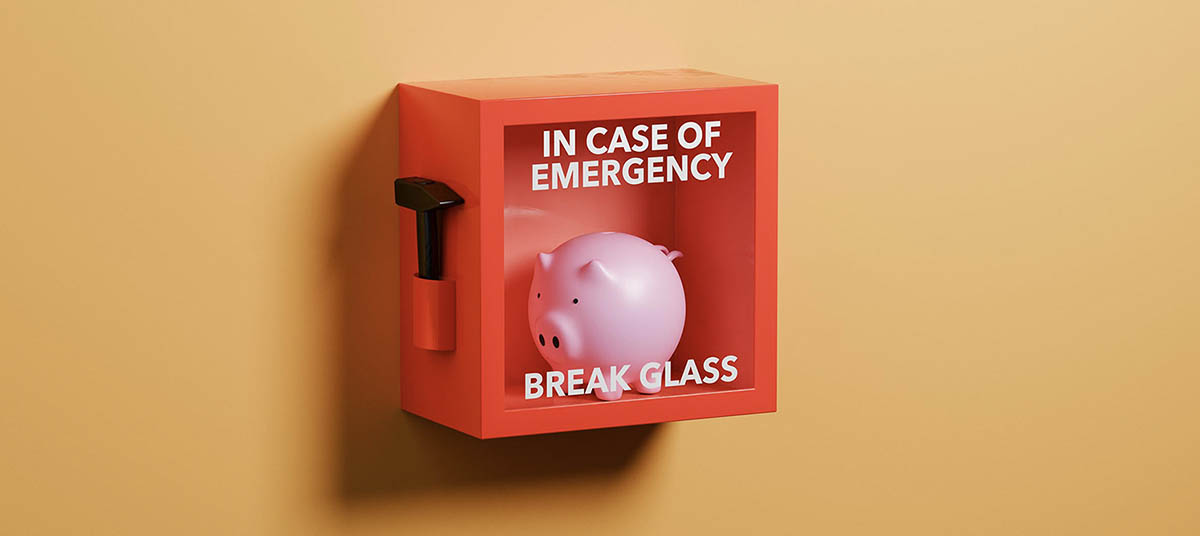
For many high-earning professionals and small business owners in Rocklin and across California, financial stress doesn’t manifest as a sudden crisis. On the surface, the gears are still turning: the business remains operational, the mortgage is paid, and the lifestyle appears stable. However, beneath this polished exterior, a subtle form of financial fragility is taking root, leaving many households feeling vulnerable despite their hard work and significant income levels.
This sensation of being stretched thin isn't always the result of poor choices; rather, it is a response to a narrowing margin for error. We are seeing a trend where a single unexpected event—a sudden equipment failure for an S-corp, a surprise medical bill, or a sharp increase in property insurance—can disrupt what appeared to be a solid financial foundation. This article examines why this fragility is occurring and how proactive planning can restore the breathing room many feel they have lost.
The Growing Reliance on Debt Over Liquidity
According to recent research from Bankrate, the nation is reaching a historic tipping point regarding personal liquidity. Approximately 36% of Americans now report having more credit card debt than emergency savings. This is the highest percentage recorded in over a decade of tracking, signaling a fundamental shift in how households manage cash flow gaps. Perhaps more startling is that nearly one in four individuals report having no emergency savings whatsoever.
For many of our clients, credit cards have transitioned from a tool for rewards or convenience into a de facto emergency fund. This isn't necessarily a sign of irresponsibility. Life has simply become more expensive. Whether you are managing personal expenses or the overhead of a closely held business, the baseline cost of existence—groceries, utilities, housing, and insurance—has surged, often outpacing even healthy income growth. This creates a scenario where everyday life requires more immediate cash flow than it did only a few years ago.

Why Responsible Taxpayers Still Feel Behind
There is a common misconception that financial anxiety only plagues those who spend recklessly. In our practice at Golden State Tax & Business Services, we frequently work with diligent professionals who budget carefully, avoid unnecessary luxuries, and still feel an underlying sense of dread. The pressure they feel isn't usually caused by one catastrophic financial error; it’s the result of a "death by a thousand cuts" where multiple smaller pressures converge simultaneously.
Cumulative Inflation: Persistent increases in the cost of basic services and goods that erode purchasing power over time.
Stealth Housing Costs: Rising property taxes and insurance premiums that consume a larger percentage of net income.
Benefit Gaps: Healthcare and childcare costs that consistently rise faster than standard cost-of-living adjustments.
Lifestyle Persistence: The difficulty of scaling back fixed obligations like subscriptions and memberships that once felt negligible but now compound monthly.
The Critical Need for Accessible Cash Reserves
A few years ago, an emergency fund was often viewed as a secondary financial goal. In the current economic climate, we view liquidity as essential survival equipment. The speed of modern economic shifts—from sudden industry layoffs to rapid interest rate hikes—means that the time required to recover from a financial shock has increased. High-interest debt is now significantly more expensive to carry, making it a dangerous bridge for temporary gaps.
Cash reserves do more than just pay bills; they provide the psychological benefit of "breathing room." When you have liquid assets available, you are empowered to make calm, strategic decisions rather than reactive, fear-based ones. For a business owner, this might mean the difference between taking on a high-interest loan or self-funding a temporary pivot. For a professional, it means maintaining stability during a career transition.
The Compound Effect of Small Emergencies
Many households struggle because they prepare for the "big one"—like a total loss of income—but are blindsided by a sequence of moderate expenses. Financial stability is often eroded by back-to-back challenges: a car repair followed by an unexpected school tuition increase, capped off by a home maintenance issue. Individually, these are manageable. Collectively, they drain cash reserves and force the user toward credit cards.

When credit cards become the "backup plan," the math changes quickly. With average interest rates exceeding 21%, carrying a balance is no longer a low-cost convenience. A revolving balance of just a few thousand dollars can become a long-term burden when minimum payments are largely consumed by interest charges. This creates a cycle where the debt itself becomes a significant monthly expense, further reducing the ability to save for future emergencies.
The Emotional Toll of Financial Exposure
Money is never just about numbers on a spreadsheet. Financial anxiety affects sleep quality, relationship harmony, and professional confidence. The constant feeling of being one minor catastrophe away from a major stress event takes a measurable emotional toll. This is particularly true for younger families and middle-income earners who are trying to balance the costs of today with the retirement needs of tomorrow.
Building Resilience Through Visibility and Systems
The path to financial resilience does not require a massive windfall or a perfect, flawless budget. Instead, it is built through the implementation of small, consistent systems. At Golden State Tax & Business Services, we believe that visibility is the first step toward security. Understanding exactly where your cash flow is going allows you to identify areas where you can reclaim control. We often recommend a few high-impact habits:
Automate the Moat: Treat emergency savings like a mandatory bill that is paid automatically every month.
Review Recurring Friction: Periodically audit subscriptions and recurring costs that no longer provide value.
Anticipate Irregularity: Plan for annual expenses—like property taxes or holiday spending—well in advance to avoid a cash crunch.
Optimize Entity Structure: For business owners, ensuring your S-corp or LLC is structured correctly can free up cash flow through tax efficiency.
Visibility reduces anxiety. When you know your numbers, the unknown becomes less threatening. This clarity allows you to transition from a defensive posture to a proactive one, where you are directing your financial future rather than simply reacting to it.
Proactive Planning for Long-Term Security
The goal of this discussion isn't to create alarm, but to emphasize that the current economic environment requires a more intentional approach to cash flow. Preparation creates options, and options are the ultimate stress-reducer. Whether you are a high-earning W-2 employee or an S-corp owner, building a financial system that prioritizes liquidity and visibility will serve as your greatest hedge against uncertainty. Resilience isn't built overnight, but through the accumulation of small, disciplined actions repeated over time.
If you are looking to improve your financial visibility or want to ensure your tax strategy is supporting your long-term goals, we are here to help. Contact Golden State Tax & Business Services today to schedule a consultation and take the first step toward building a more resilient financial foundation.
Want tax & accounting tips and insights?
Sign up for our newsletter.