Understanding the Proposed Federal Film Tax Credit: Up to 30% Incentive for U.S. Productions
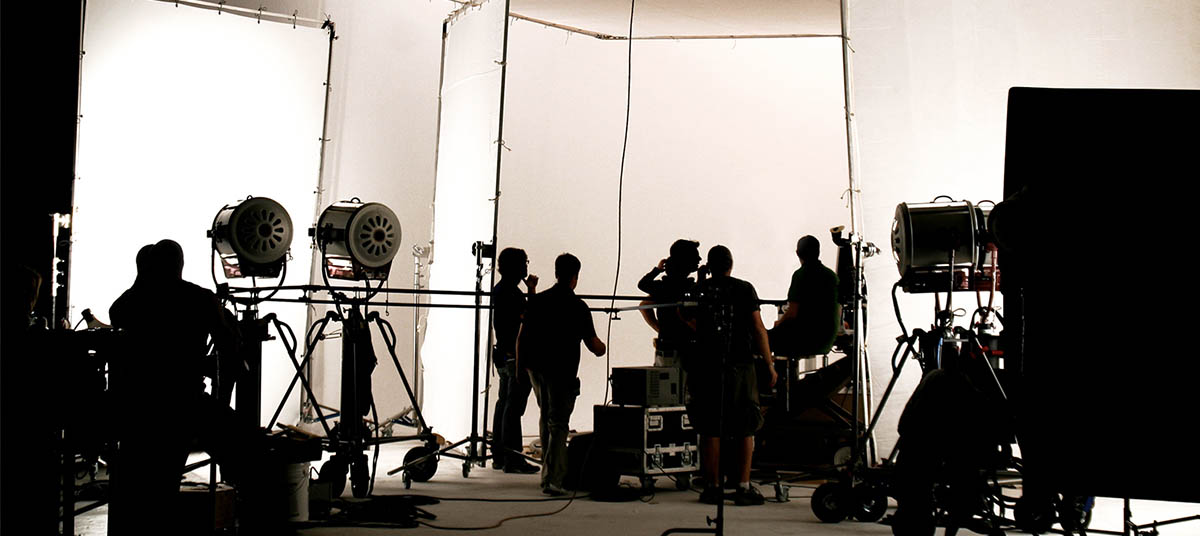
For years, U.S. entertainment productions have increasingly migrated overseas to capitalize on lucrative foreign tax incentives. In response, a bipartisan group of federal lawmakers is advancing legislation designed to restore domestic competitiveness through a dedicated federal tax incentive.
The newly introduced Motion Picture, Television, and Entertainment Revitalization Act proposes a national framework to support qualifying film and television productions created within the United States.
The centerpiece of the proposal is a 20% credit on qualifying U.S. labor costs, with potential bonus credit mechanisms raising the maximum benefit to 30%. While directly serving the entertainment sector, proponents emphasize its broader impact as a small-business and economic initiative across multiple states.
How the Proposed Federal Film Tax Credit Functions
According to the House version of the bill, eligible commercial film and television productions could claim a baseline tax credit equal to 20% of qualified wage and compensation expenses paid for services performed domestically.
To meet the baseline eligibility threshold, a production must generally incur total costs exceeding $1 million, and at least 75% of its principal photography calendar days must take place within the United States.
Qualified wage expenses extend well beyond lead talent. The statutory language explicitly encompasses compensation paid to directors, writers, producers, camera operators, set designers, sound and lighting technicians, makeup artists, editors, visual effects specialists, and various crew members. Services rendered during both pre-production and post-production phases are also eligible for inclusion.
Incentive Structure for Credits Up to 30%
The 20% baseline credit represents the minimum credit tier under the draft legislation.
The bill outlines several incremental five-percentage-point bonus allocations, subject to an aggregate credit cap of 30%.
Bonus eligibility can be triggered by qualifying independent project structures, as well as productions conducted within rural Opportunity Zones or designated federal disaster areas. Additional percentage increases apply to expanded domestic production volume and multi-state shooting itineraries.
Specific qualification parameters are established for post-production and visual-effects activities, addressing the significant outbound shift of these specialized technical services to international markets.

Legislative Rationale Behind Federal Production Credits
American production projects face increasing competition from foreign jurisdictions offering robust production subsidies.
International centers in Canada, the United Kingdom, Australia, and other regions provide competitive tax offsets that reduce overall filming overhead. Data highlighted by the Los Angeles Times indicates that 45% of U.S. feature films and scripted television series were produced abroad last year—a noticeable shift from approximately one-third in 2022.
While individual states such as California, Georgia, New York, and Louisiana maintain state-level incentive programs, advocates contend that individual state credits alone are insufficient to counter national tax incentives offered by foreign governments.
Broader Economic and Small-Business Impact
Congressional focus on domestic production extends beyond high-profile performers to encompass behind-the-scenes employment and local supply chains.
Standard film and television operations employ extensive technical personnel, including carpenters, electricians, costumers, drivers, construction crews, and catering staff.
Furthermore, production schedules generate substantial expenditures with local vendors, including lodging providers, dining establishments, equipment rental facilities, hardware suppliers, and regional transportation services.
This widespread economic effect is reflected in the geographical diversity of the bill's sponsors. Senate sponsors hail from South Carolina, California, Texas, and Georgia, while House co-sponsors represent Texas, California, Georgia, Tennessee, Ohio, and New York. Legislative momentum has expanded with additional senators joining from both political parties.

Scope of Qualifying Productions
The proposed credit contains explicit exclusions and does not apply universally to all media projects.
Specifically targeted at commercial narrative film and television, the draft legislation excludes news programming, live sporting events, interview and talk shows, game shows, award broadcasts, and certain social media content.
Marketing materials, commercial advertising, corporate or institutional videos, and fundraising content are likewise excluded from eligibility.
As currently drafted, the credit would become available for qualifying projects commencing principal photography in tax years beginning after December 31, 2026.
Legislative Outlook and Current Status
The bill was formally introduced on September 24 with bipartisan sponsorship across both houses. President Trump has also expressed public support for establishing federal incentives to encourage domestic entertainment production.
Supporters aim to advance the statutory proposal during the post-election congressional session.
Taxpayers and production companies should note that the credit remains a legislative proposal. It cannot be claimed on current tax returns, and the statutory terms remain subject to potential amendment or rejection as the bill moves through Congress.
Navigating Legislative Tax Changes
The proposed federal film tax credit represents a significant potential shift in federal tax policy aimed at domestic entertainment production. Covered labor costs could qualify for incentives between 20% and 30%, impacting primary production operations as well as supporting regional vendors and technical personnel.
As federal tax legislation continues to evolve, staying informed on effective dates and compliance requirements is essential. Reach out to our firm to discuss proactive tax planning strategies and monitor emerging legislative updates that may impact your business operations.
Want tax & accounting tips and insights?
Sign up for our newsletter.