Phishing & AI-Powered Email Scams: How to Protect Yourself and Your Business
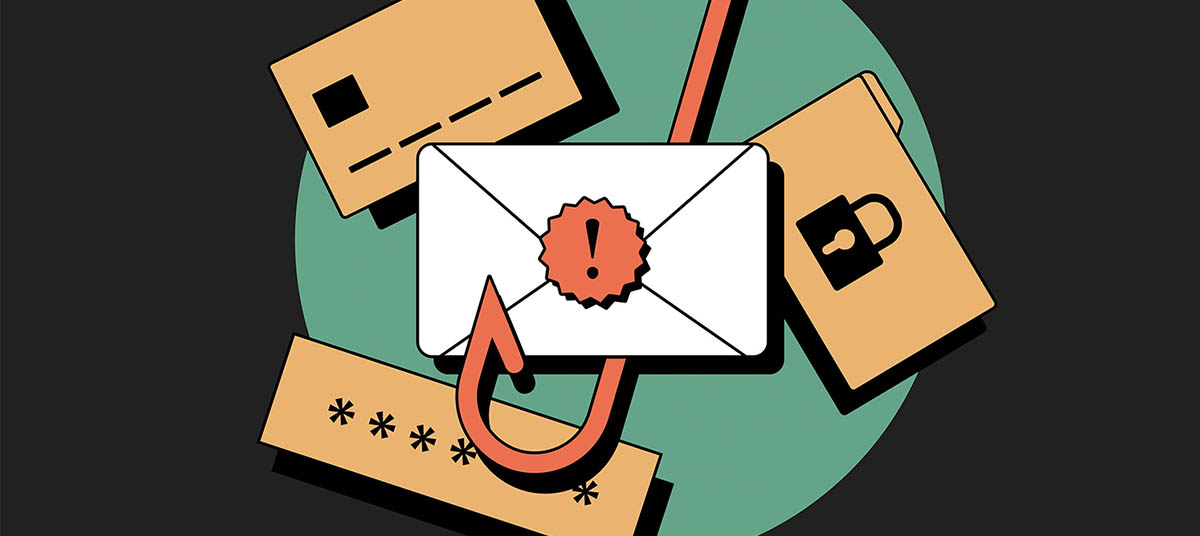
Tax season brings deadlines, documents, and urgency.
It also brings scammers.
Every year, phishing attempts spike during filing season because criminals know people are expecting financial communication. Refund notices. Payroll updates. Signature requests. Client documents.
The timing makes the message feel legitimate.
And in 2026, the tactics are more sophisticated than ever.
Why Tax Season Is Prime Time for Phishing
Scammers rely on a tactic known as social engineering.
They do not hack systems first. They manipulate behavior.
Tax deadlines such as April 15 create pressure. Pressure increases cognitive load. And when people feel rushed, they are more likely to click before thinking.
That is the opening.
A message arrives that says:
“Immediate action required.”
“Verify before your refund is delayed.”
“Payroll must be updated today.”
You are busy. The deadline is real. The request feels plausible.
That is exactly why it works.
Phishing remains one of the most common entry points for business compromise, and financial themes are among the most effective lures during tax season.
AI Has Made These Emails Harder to Detect
Phishing used to be obvious.
Poor grammar. Strange formatting. Unprofessional tone.
Today’s attacks often use AI tools to:
Generate polished language
Personalize emails
Reference real companies
Mimic professional tone
Some criminals are even using AI voice cloning to impersonate executives or vendors in phone calls requesting urgent fund transfers.
The result is simple: suspicious no longer looks suspicious.
That is why process matters more than instinct.
The Most Common Tax-Season Scams
Here are the patterns we see most frequently during filing season.
IRS Impersonation
Emails or texts claiming to be from the IRS asking you to verify identity, confirm a refund, or pay a balance immediately.
The IRS does not initiate contact through unsolicited email, text, or social media about tax bills or refunds. If you receive one, it is not legitimate.
Client or Vendor Impersonation
An email appears to come from someone you know. A client. A vendor. A payroll provider.
The message requests updated banking information or urgent payment processing.
Often, the only difference is a slightly altered domain name or a subtle shift in tone.
Payroll or Direct Deposit Change Requests
An employee email asks to update direct deposit details before the next payroll run.
These scams are especially common during busy seasons when payroll adjustments feel routine.
One unchecked change can redirect an entire paycheck.
The Red Flags Still Exist
Even sophisticated phishing attempts rely on familiar triggers:
Pressure to act immediately
Slight variations in sender email domains
Unexpected attachments or links
Requests involving money movement or credential verification
The biggest red flag is urgency.
Scammers want speed.
Protection requires pause.
Practical Safeguards That Actually Work
You do not need complicated systems to reduce risk. You need consistent procedures.
Multi-Factor Authentication
Enable multi-factor authentication for email, banking, payroll platforms, and financial software.
App-based or hardware-based authentication methods are stronger than SMS-based codes, which can sometimes be intercepted through SIM swapping attacks.
MFA is one of the most effective defenses available today.
Verbal Confirmation for Financial Changes
If you receive a request to:
Change banking instructions
Update payroll information
Send a wire transfer
Modify vendor payment details
Confirm it verbally using a known phone number already on file. Do not rely on the contact information provided in the email.
This single control prevents a significant number of fraud attempts.
Use Secure Portals Instead of Email
Sensitive documents should move through encrypted portals, not email attachments.
Email is convenient. It is not secure.
Train Your Team
Your team is your first line of defense.
Short reminders during high-risk seasons can prevent costly mistakes. The goal is not fear. The goal is awareness.
Teach your staff to slow down before acting on financial requests.
The Real Strategy Is Simple
Scammers rely on urgency.
Your defense is procedure.
When a financial request arrives unexpectedly, stop. Verify. Confirm through a separate channel.
That habit alone dramatically reduces risk.
Security Is Part of Financial Protection
Protecting your finances is not just about compliance and planning. It is also about safeguarding the systems that move your money.
If you have concerns about suspicious emails, payroll requests, or your internal financial safeguards, reach out. We can review your current procedures and help you strengthen your protections.
Because in today’s environment, security is not optional. It is part of protecting everything you have built.
Want tax & accounting tips and insights?
Sign up for our newsletter.
Disclaimers on Mobile Data
No mobile information will be shared with third parties/affiliates for marketing/promotional purposes. All the above categories exclude text messaging originator opt-in data and consent; this information will not be shared with any third parties.
© 2021 - 2026 In & Out Accounting and Business Services LLC DBA MC Accounting & Tax Services || MCAT of Nassau LLC DBA MC Accounting & Tax Services || MC Accounting & Tax Services aka MCAT aka MCAT LLC - All rights reserved.