Understanding the New Federal Tips Deduction: A Strategic Guide for Taxpayers
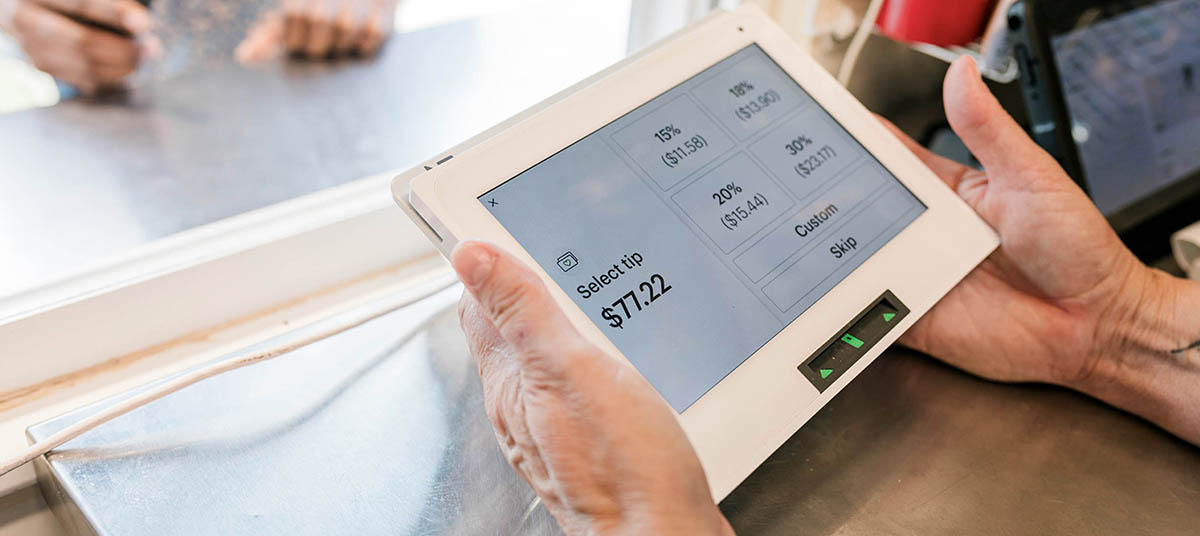
A significant, temporary federal tax shift is arriving for tip-earning professionals, effective for tax years beginning in 2025 and stretching through 2028. This legislative change introduces a specific ’below-the-line’ deduction for what the IRS classifies as ‘qualified tips.’ While this offers meaningful relief, the deduction is governed by a complex framework of eligibility criteria, strict reporting thresholds, and annual limits that taxpayers must navigate carefully to ensure compliance.
For many service industry workers—from restaurant servers and stylists to gig-economy drivers—understanding these nuances is the difference between a smoother tax season and a missed opportunity. This guide breaks down the eligibility requirements, the types of income that qualify, how to handle self-employment nuances, and the recordkeeping standards required to secure this benefit without triggering an audit or surprise liability.
Defining the ‘Below-the-Line’ Benefit
In the world of tax planning, ‘below-the-line’ refers to deductions that reduce your overall taxable income after your Adjusted Gross Income (AGI) has already been calculated. Unlike ‘above-the-line’ adjustments, this tips deduction does not lower your AGI. However, its primary value lies in the fact that it is available regardless of whether you choose to take the standard deduction or itemize your expenses. It serves as an additional layer of tax relief designed specifically for those in traditionally tipped occupations.
Eligibility Criteria for Tipped Professionals
To claim this deduction, a taxpayer must meet several specific benchmarks. First, you must be employed in an occupation that the IRS recognizes as one that ‘customarily and regularly’ received tips as of December 31, 2024. To provide clarity, the IRS released Treasury Tipped Occupation Codes (TTOCs), which include approximately 200 illustrative examples of eligible roles. If your job isn't specifically named but follows these customary standards, you may still qualify.
Beyond your job title, filing status and identification play a role. Married taxpayers are generally required to file a joint return to access this deduction. Furthermore, the taxpayer must possess a valid, work-eligible Social Security Number (SSN). The specific requirements for which spouse must hold the SSN can vary depending on whether one or both individuals are claiming tip-based income. Ensuring these administrative checkboxes are marked is the first step in qualified tax planning.
The Financial Boundaries: Caps and Phaseouts
While the deduction is robust, it is not unlimited. The IRS has established a firm annual cap of $25,000 per taxpayer. Interestingly, this cap remains the same whether you are filing as a single individual or as a married couple filing jointly. For high-earning service professionals, this means any tips received beyond this threshold will not provide further deduction benefits.

Additionally, the deduction is subject to a Modified Adjusted Gross Income (MAGI) phaseout. For single filers, the phaseout begins once MAGI exceeds $150,000; for joint filers, the threshold is $300,000. For every $1,000 (or fraction thereof) you earn above these limits, the deduction is reduced by $100. For this purpose, MAGI is your AGI increased by specific excluded foreign earnings, making it vital to calculate your total income accurately when estimating your year-end tax liability.
Identifying ‘Qualified Tips’ and Exclusions
Not every dollar received from a customer qualifies for this specific deduction. ‘Qualified tips’ generally encompass cash tips, as well as those received via credit cards, debit cards, checks, and even casino chips or foreign currency. Voluntary tip pools also qualify, provided the funds are properly reported. Interestingly, managers or supervisors who receive tips for services they personally performed can qualify, though they are generally barred from the deduction for tips received through mandatory sharing arrangements.
What Is Excluded from the Deduction?
The final regulations are very specific about what does not count. Digital assets, such as Bitcoin or other stablecoins, are explicitly excluded from the definition of ‘cash tips.’ Similarly, mandatory service charges or auto-gratuities imposed by an employer are treated as standard wages rather than tips. Taxpayers should also be aware that tips earned through activities that are illegal under federal law—such as those in the cannabis industry—are ineligible for the deduction, even if the occupation otherwise matches a TTOC code.
The Evolution of Reporting: 2025 vs. 2026
One of the most critical aspects of this new regulation is the shift in reporting requirements. 2025 serves as a transition year. During this period, the IRS is providing penalty relief, and self-employed individuals can rely on their own documentation, such as daily tip logs and receipts, to substantiate their claims. Employers are not strictly required to update W-2 forms for 2025 to reflect the new tip fields.

However, beginning in 2026, the rules tighten significantly. The IRS will generally only recognize tips that appear on formal information statements, such as W-2s or 1099-NEC/K forms. Employers will be required to use Box 14b for TTOC codes and Box 12 (Code TP) for tip amounts. For workers, this means that cash tips not reported through an employer or a third-party platform will likely lose their eligibility for the deduction, though they remain taxable as ordinary income.
Special Rules for the Self-Employed and Gig Economy
For freelancers and independent contractors, the deduction is limited to the lesser of $25,000 or the net income from the specific business that generated the tips. To find this ‘net income,’ you take your Schedule C profit and subtract specific above-the-line deductions like the deductible portion of self-employment tax and health insurance premiums. Notably, this deduction is claimed on Form 1040 Schedule 1-A and cannot be used to create or increase a business loss, making accurate bookkeeping essential for gig workers.
Practical Scenarios: Calculating the Impact
To see these rules in action, consider a bartender who earns $40,000 in qualified tips in 2026. Despite their high tip volume, their deduction is capped at the $25,000 statutory limit. In another scenario, a single filer with a MAGI of $160,500 would face a phaseout. Since they are $10,500 over the $150,000 limit, their deduction is reduced by $1,100 (rounding up the fractional thousand). If they originally qualified for $25,000, their final deduction would be $23,900.
Optimizing Your Tip Reporting Strategy
The new tips deduction offers a valuable window of tax relief, but its temporary nature and strict reporting requirements demand proactive planning. While 2025 provides some leeway for substantiation, the shift toward mandatory third-party reporting in 2026 means that your relationship with your employer or gig platform regarding tip transparency will become more important than ever. By maintaining meticulous records and understanding the TTOC framework, you can maximize your tax savings during this four-year window. Schedule a consultation with our team to review your specific occupation and ensure your reporting strategy is fully optimized for the upcoming tax years.
Want tax & accounting tips and insights?
Sign up for our newsletter.