Navigating Eldercare: Medical Tax Deductions and Caregiver Payroll Rules

As life expectancies extend, a growing number of families find themselves stepping into the role of care providers for aging parents or spouses who can no longer live safely on their own. The emotional and financial weight of this responsibility is heavy, but the tax code does offer specific avenues for relief. If you are covering the out-of-pocket costs for a loved one’s care, those expenditures might qualify as a deductible medical expense.
Naturally, the person receiving the care can claim the deduction if they pay for it themselves. However, if you are footing the bill, you may be eligible to claim these costs under the "Medical Dependent" rules. Let us explore how the IRS views these expenses and the critical labor laws you must follow if you hire household help.
Defining "Incapable of Self-Care"
To unlock tax benefits related to eldercare, the IRS requires establishing that the individual is "incapable of self-care." This is not a casual designation; it involves specific, documented criteria. Here is what the tax framework looks for:
Physical and Cognitive Impairments
- Physical Limitations: This includes conditions severely impairing mobility, dexterity, or basic bodily functions. Chronic illnesses, traumatic injuries, or advanced degenerative diseases like osteoarthritis can make it impossible for an elderly individual to manage daily activities or maintain personal hygiene without assistance.
- Cognitive Deficits: Mental impairments stemming from Alzheimer’s disease, advanced dementia, or other severe neurological disorders also qualify. These conditions significantly compromise a person’s ability to make safe judgments, remember to take medication, or navigate their home without risk.
Challenges with Hygiene and Nutrition
- Personal Hygiene: An inability to care for oneself often manifests in the inability to perform basic hygiene tasks. This covers needing assistance with bathing, getting dressed, basic grooming, and safely using the restroom.
- Nutritional Needs: This refers to a person's inability to prepare their own meals, feed themselves, or adhere to strict, medically necessary dietary restrictions. Often, individuals with cognitive decline may simply forget to eat or drink entirely.
The Necessity of Full-Time Supervision
- Safeguarding the Individual: Many elderly individuals lose the ability to recognize hazards, such as leaving a stove burner on or wandering away from home. Full-time care provides the necessary supervision to prevent tragic accidents.
- Protecting Others: In certain cognitive decline scenarios, unpredictable behavior can inadvertently pose a risk to others, making constant supervision a safety necessity.
- Health Management: Those incapable of self-care frequently require rigorous oversight for administering medications, operating medical equipment like oxygen concentrators, and attending ongoing medical appointments.
Required Certification and Documentation
- Physician’s Certification: To substantiate these tax deductions, you will generally need a licensed healthcare professional to certify the individual’s physical or mental limitations in detail.
- Formal Care Plans: Maintaining a documented care plan outlining the exact level of assistance required serves as excellent substantiation should the IRS ever question the medical necessity of your eldercare claims.

Assisted-Living Facilities vs. In-Home Care
When selecting a care environment, the tax deductibility of the associated costs varies significantly based on the primary reason for the arrangement.
Assisted-Living Facilities: Generally, the entire cost of a nursing home, memory care unit, or assisted-living facility—including meals and lodging—is fully deductible as a medical expense if the individual is residing there primarily for medical care or because they are incapable of self-care. Conversely, if the move is primarily for personal convenience or lifestyle reasons, only the itemized costs directly tied to medical and nursing care are deductible, while room and board are not.
Home Care Options: Many families opt for in-home aides to allow their loved ones to age in place. In these situations, the wages paid to the caregiver must be divided between deductible nursing services and nondeductible household chores. The caregiver does not need to be a registered nurse for the medical portion to be deductible; they simply need to be providing services a nurse typically would, such as medication management, bathing, and feeding. If the aide also does general housekeeping or laundry, the portion of their pay covering those chores cannot be deducted.
The Household Employment Trap
Between managing doctors' appointments and balancing your own career, it is incredibly easy for families to overlook the stringent tax and labor laws attached to hiring domestic help. Unfortunately, the government does not offer leniency for ignorance of these rules.
Because of how labor regulations are structured, you must clearly determine whether an in-home caregiver is legally your employee. The sourcing method usually dictates the answer:
- Agency-Provided Caregivers: If you use a specialized agency, the caregivers are typically employees of that agency. The agency handles payroll, withholding, and employment taxes. While this route is generally more expensive upfront, it completely shields your family from employer liabilities.
- Household Workers (Direct Hires): If you hire an individual directly, the IRS usually classifies them as your household employee. This triggers the dreaded "nanny tax" rules. As the employer, you must withhold the employee’s share of Social Security and Medicare taxes and pay the employer’s matching portion. While federal income tax withholding is optional (unless both parties agree), you must still issue a Form W-2 at year-end, secure federal and state Employer Identification Numbers (EINs), and file Schedule H with your Form 1040. Furthermore, the employer's portion of payroll taxes tied to deductible medical services can also be deducted as a medical expense.
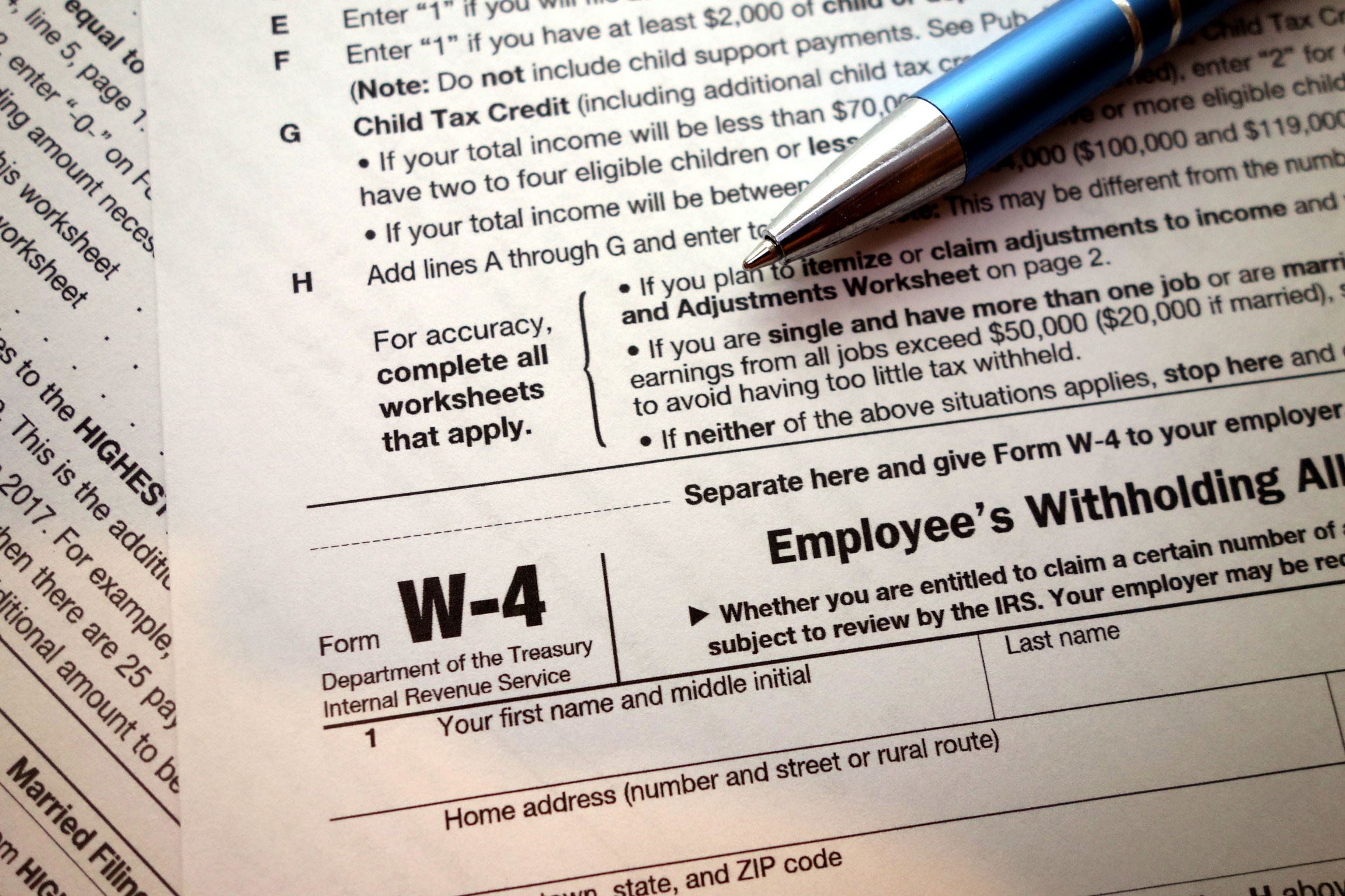
Because compliance is complex, many families engage specialized payroll services, often found on lists of top Nanny Payroll Services, to automate the tax withholdings and reporting paperwork.
During back-to-back tax appointments, we often hear clients admit that their peers pay household help "under the table" in cash. While common, this practice is illegal. Paying off the books opens you up to severe financial risk. If an undeclared caregiver is injured in your home and files for workers' compensation, or if they are terminated and file for unemployment benefits, the resulting state labor board investigations can yield devastating penalties and back-tax liabilities.
Note: Professionals who dictate their own schedules, supply their own tools, and offer their services to the general public—like independent plumbers, pool cleaners, or specialized physical therapists—are independent contractors, not household employees.
Additional Labor Laws You Cannot Ignore
If you determine your caregiver is an employee, several other federal and state labor laws immediately apply:
Overtime Pay: Under the Fair Labor Standards Act (FLSA), domestic employees are considered nonexempt and are legally entitled to time-and-a-half overtime pay for any hours worked beyond 40 in a single workweek. Live-in employees sometimes fall under specific exemptions, depending on the state.
Hourly vs. Salary: Because household workers are nonexempt, it is illegal to classify and pay them a fixed salary to avoid tracking hours and paying overtime.
Separate Payrolls for Business Owners: Small business owners are frequently tempted to run their domestic caregiver's pay through their company’s existing payroll system. This is a severe compliance violation. Payments to household employees are personal expenses, not legitimate business deductions. You must maintain a distinct, personal payroll system funded by personal bank accounts.
Employment Eligibility: You cannot knowingly hire someone unauthorized to work in the United States. When hiring a regular caregiver, both you and the employee must complete Form I-9, and you must physically verify their identification documents.

Emerging Retirement Mandates for Domestic Workers
While offering a retirement plan is generally not a requirement for household employers, recent tax legislation does allow domestic employers to provide benefits via a Simplified Employee Pension (SEP) plan.
However, compliance landscapes are shifting. A growing number of states are enacting mandatory retirement savings programs that sweep up household employers. If you employ a nanny, housekeeper, or eldercare aide, you must watch for regional mandates requiring you to either sponsor a private plan or facilitate enrollment in a state-run program.
In California, for instance, a mandate requires all household employers with at least one W-2 employee to either offer a qualifying plan or register their worker for the CalSavers program.
Understanding the "Medical Dependent" Exception
To deduct a medical expense, it must generally be incurred for yourself, your spouse, or a qualifying dependent. Typically, an adult relative only qualifies as a standard dependent if they live with you all year (or are a direct relative), do not file a joint return, receive over half of their financial support from you, and have a gross income below a specific threshold—$5,300 for 2026 (an increase from $5,200 in 2025).
What happens if your parent meets all the support tests but earns more than $5,300 in taxable income, perhaps through a modest pension? This is where the "Medical Dependent" exception provides massive relief. The IRS allows you to deduct the medical expenses you paid on their behalf, treating them as a medical dependent, even if their gross income disqualifies them from being claimed as a standard dependent on your return.
Navigating the intersection of eldercare tax deductions and household employer labor laws requires careful tax planning. If you are currently paying for a loved one's care and need clarity on structuring your deductions or establishing a compliant household payroll system, reach out to our office today to schedule a consultation.
Want tax & accounting tips and insights?
Sign up for our newsletter! Each month, we will send you a roundup of our latest blog content covering the tax and accounting tips & insights you need to know.